100+ CAS Research Institutes
Complete your thesis inside a national research institute with a full-time CAS researcher as your supervisor.
Research first — graduate study inside China’s national science academy
The University of Chinese Academy of Sciences (UCAS) began in 1978 as the Graduate School of the Chinese Academy of Sciences — the first graduate school established in the People’s Republic of China — and was renamed UCAS in 2012. It is a Double First Class university built on an unusual model: coursework is delivered on its Beijing campuses at Yanqihu, Yuquanlu, Zhongguancun and the Olympic Village, then students move into one of more than 100 CAS research institutes nationwide to complete their thesis work with a professional researcher as supervisor. Teaching spans 12 broad discipline categories across science, engineering, management and medicine, and UCAS ranks among the world’s highest-output institutions in the Nature Index. For international students it is a research-focused destination at the master’s and doctoral level, hosting more than 1,800 international students with English-taught degrees, CAS-ANSO and UCAS scholarships, and access to national laboratories and large scientific facilities that few universities anywhere can offer.
Key reasons international students choose University of Chinese Academy of Sciences for their studies in China.
Complete your thesis inside a national research institute with a full-time CAS researcher as your supervisor.
Founded in 1978 as the country’s first graduate school, purpose-built for master’s and doctoral research training.
Consistently among the world’s leading institutions for high-quality natural science publication output.
Work with national laboratories, telescopes, synchrotron and supercomputing platforms operated by CAS.
Dedicated fully funded scholarships for international master’s and doctoral candidates in science and technology.
Coursework at Yanqihu, Yuquanlu, Zhongguancun and Olympic Village campuses across the capital and its mountains.
National designations and world rankings that signal academic strength and prestige.
Explore the degree programs and academic strengths available to international students at University of Chinese Academy of Sciences.
What you need to apply to University of Chinese Academy of Sciences as an international student.
Transparent tuition, living costs and scholarship options for international students.
What daily student life looks like at University of Chinese Academy of Sciences.
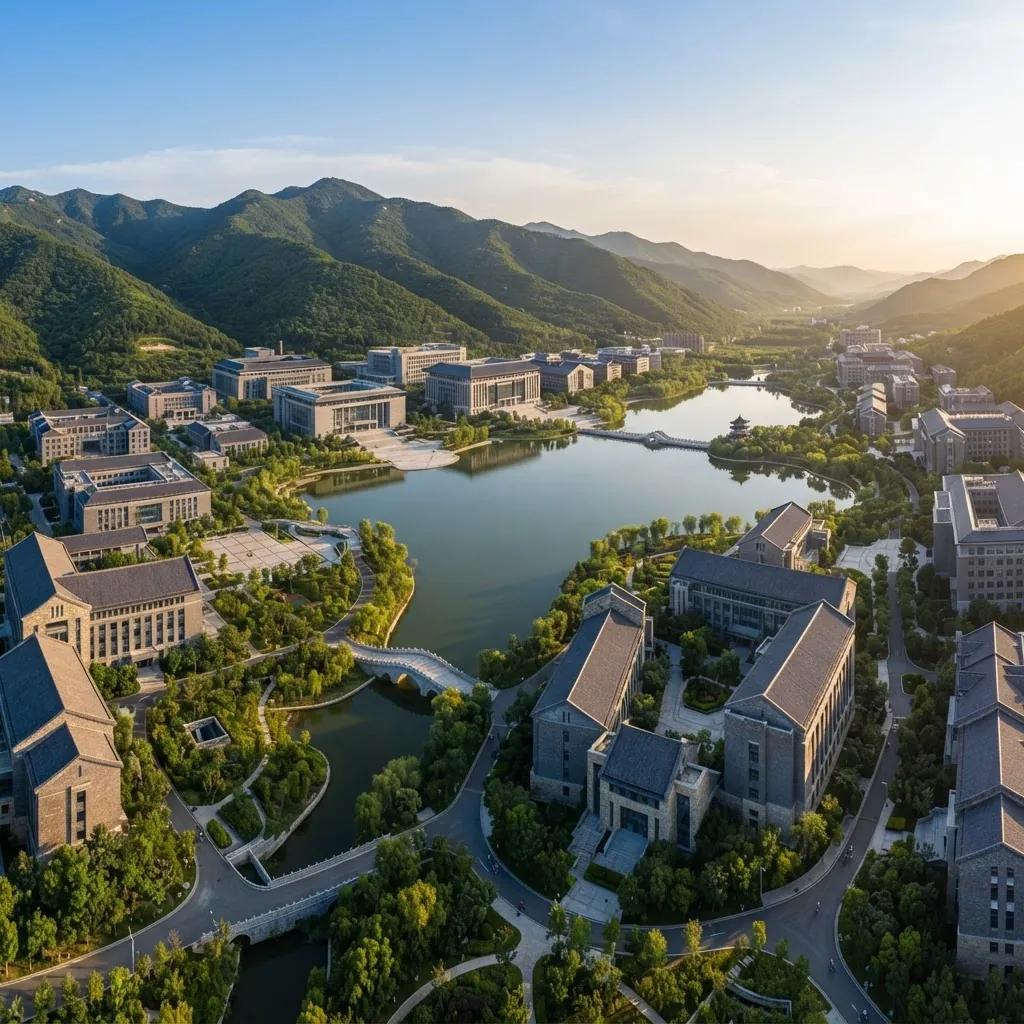
The main coursework campus sits beside Yanqi Lake in Huairou, surrounded by mountains and purpose-built for graduate study.
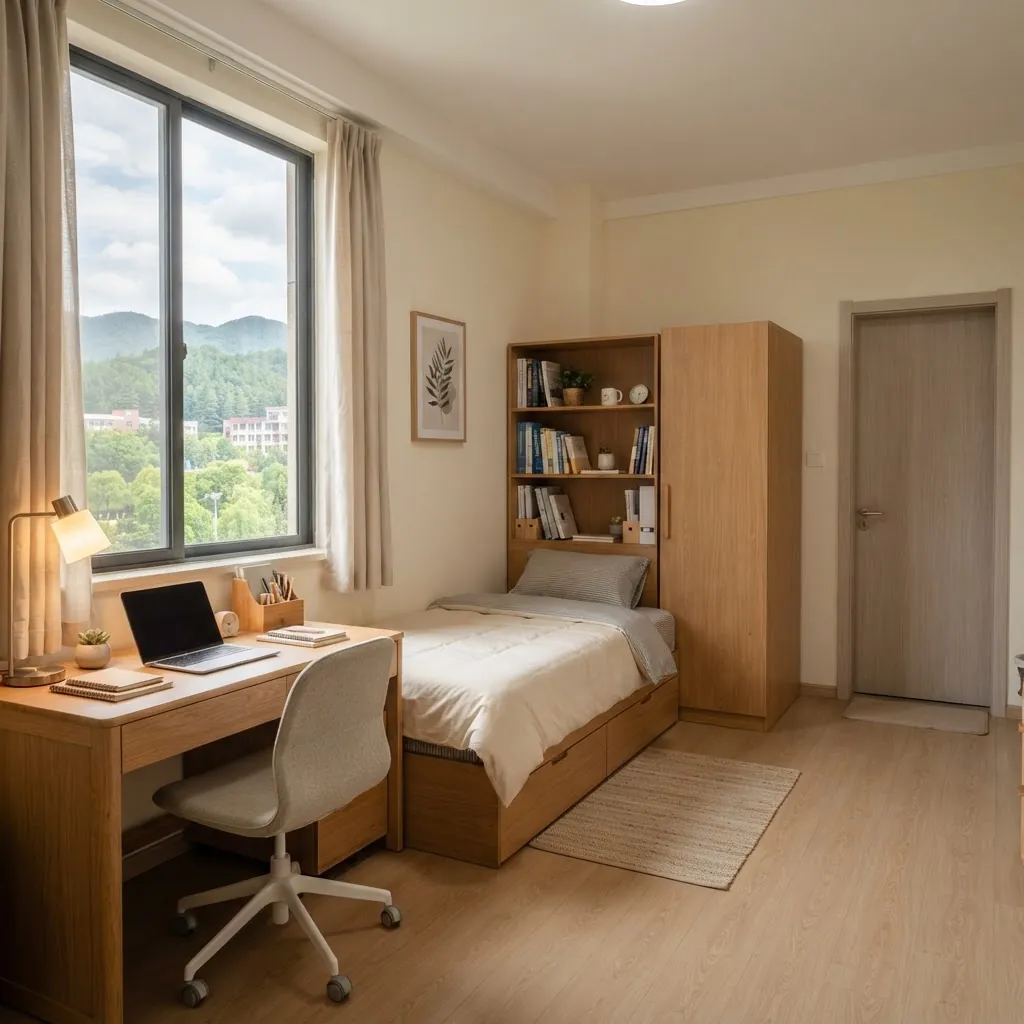
Dormitory rooms are available on the teaching campuses, allocated by room type and subject to limited capacity.
Access to the National Science Library of CAS and its extensive international journal and database subscriptions.
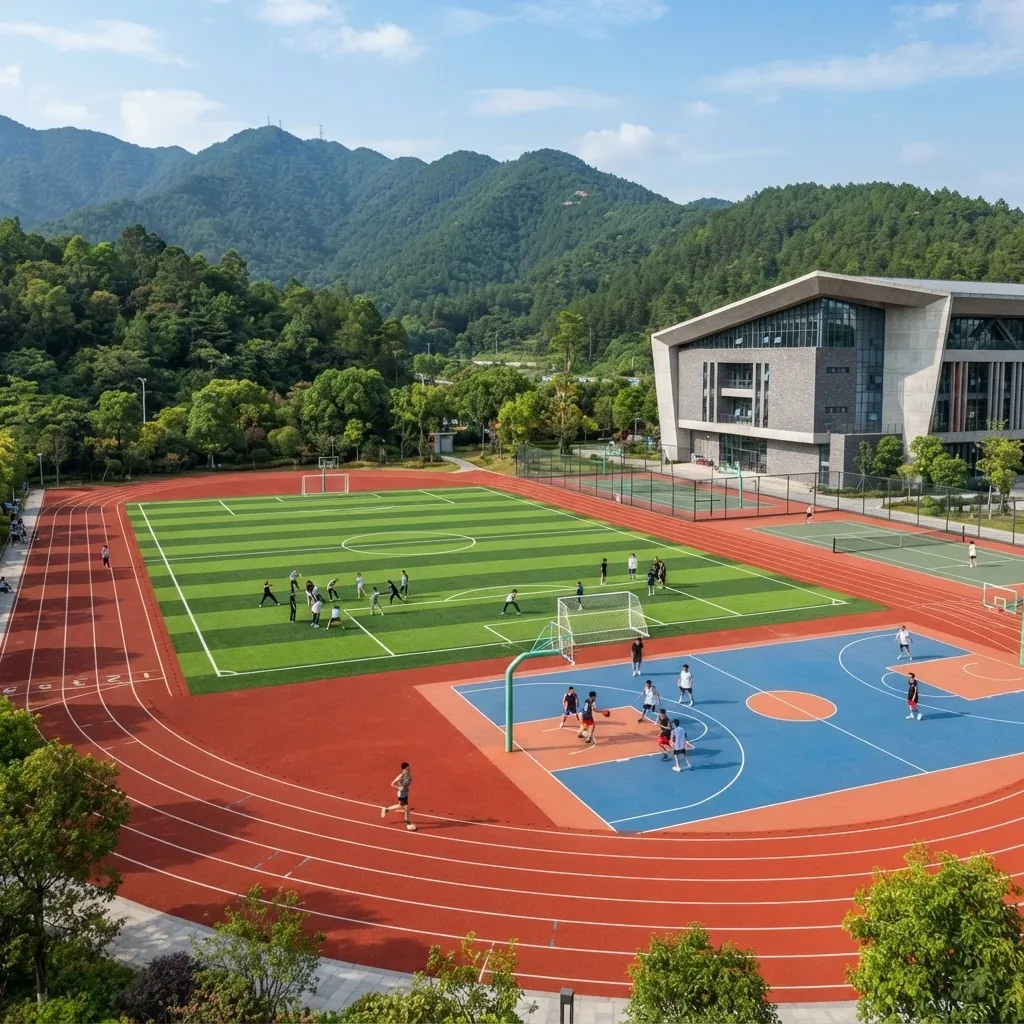
Gymnasiums, running tracks, football pitches and courts across the Yanqihu and Yuquanlu campuses.
Frequent seminars and lectures by CAS academicians and visiting scientists form the core of campus life.
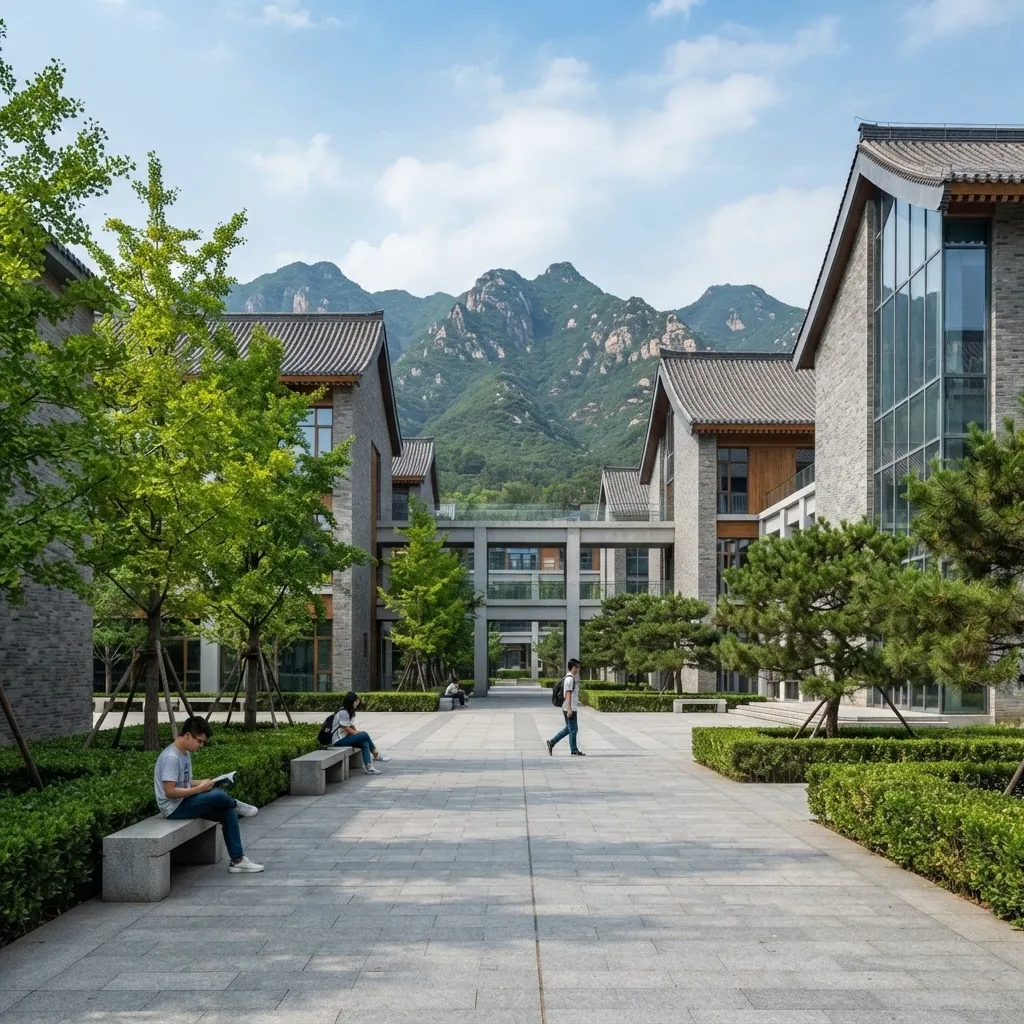
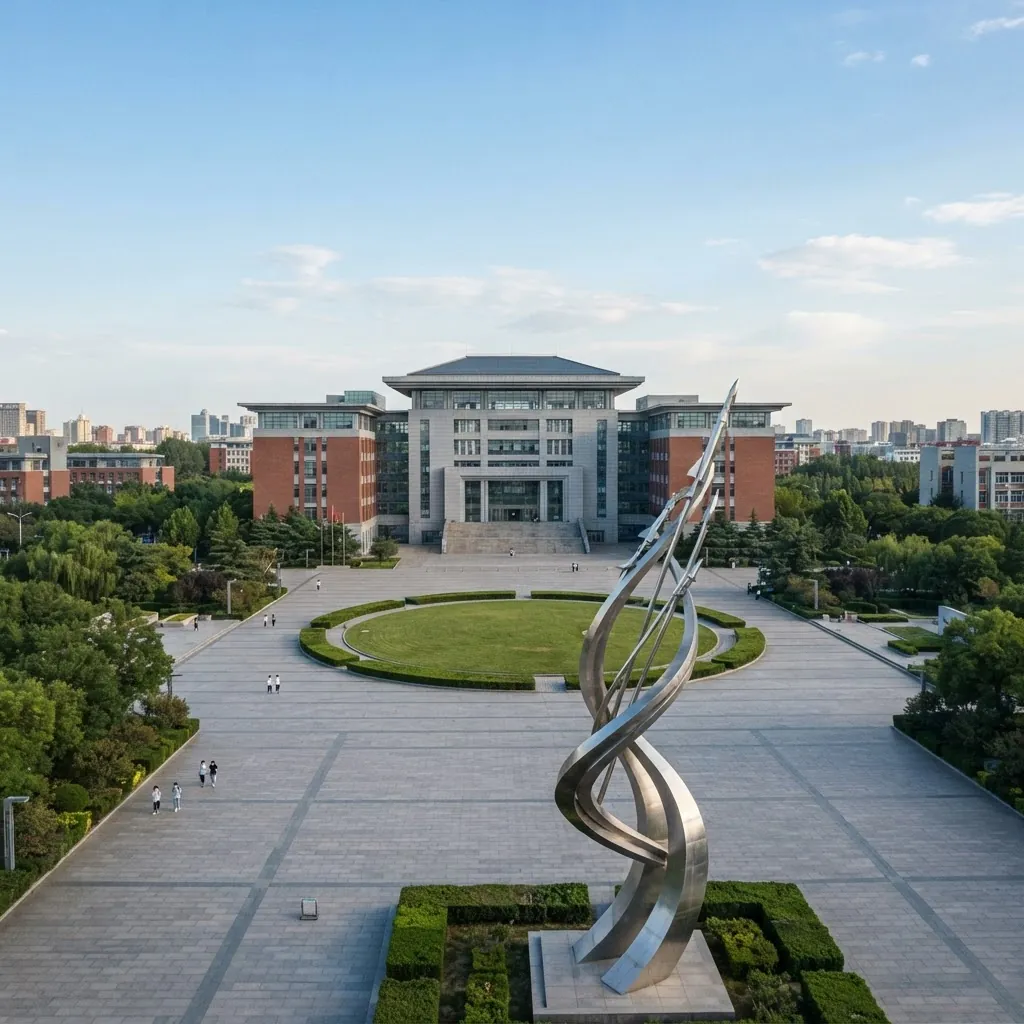
Zhongguancun and Yuquanlu campuses place students inside Beijing’s science and technology district.
A visual tour of University of Chinese Academy of Sciences.


Research capacity and innovation ecosystem at University of Chinese Academy of Sciences.
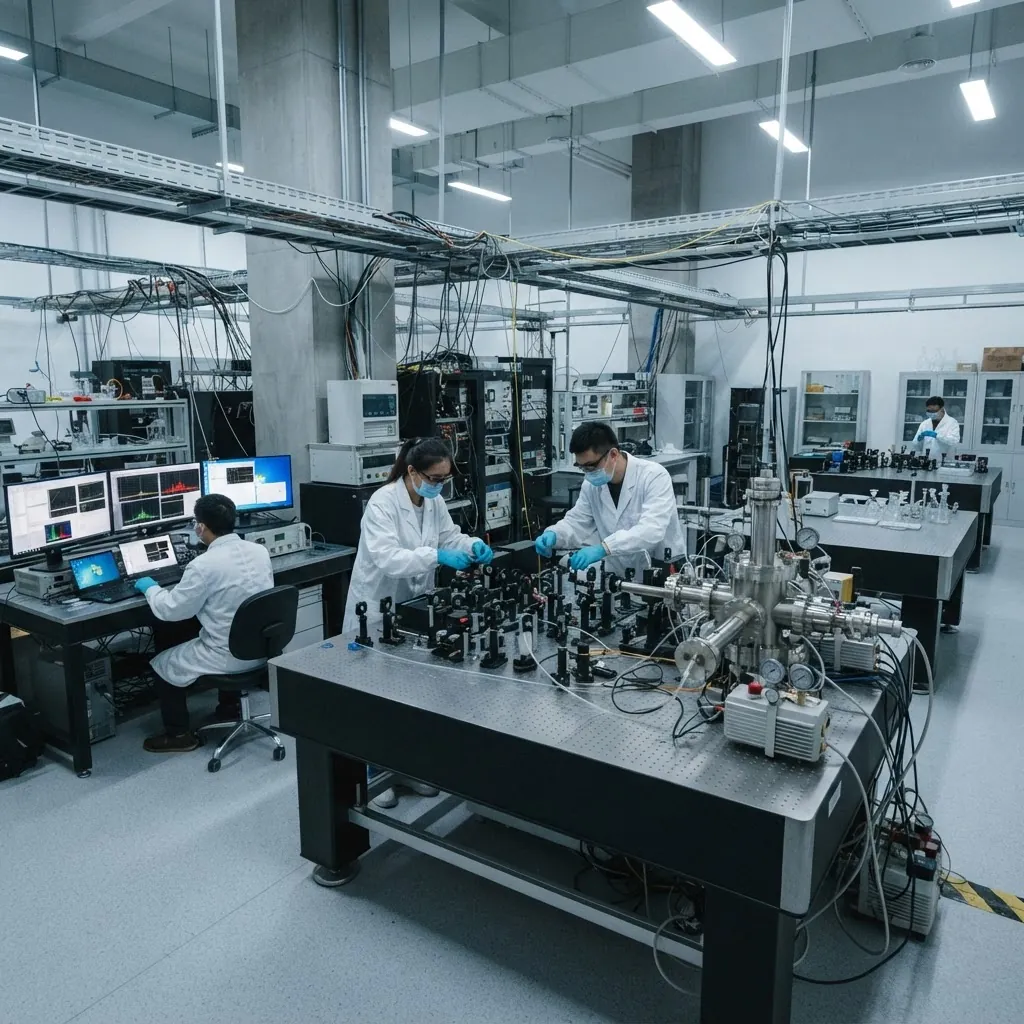
Thesis research is carried out inside more than 100 CAS institutes covering every major scientific discipline.
Among the world’s highest-ranked institutions for output in high-quality natural science journals.
Students use national facilities including synchrotron sources, radio telescopes and supercomputing centres.
Major programs in atmospheric science, remote sensing, ecology and climate research through CAS field stations.
State key laboratories in condensed matter physics, semiconductors, catalysis and functional materials.
Supervisors include CAS academicians and full-time researchers rather than teaching-only faculty.
Where a degree from University of Chinese Academy of Sciences can take you after graduation.
Most graduates continue into postdoctoral positions, university faculty roles or research institute appointments.
Direct recruitment into CAS institutes and other national laboratories where graduates already have research experience.
Graduates join semiconductor, AI, biotechnology and instrumentation companies across Beijing and the Greater Bay Area.
A CAS-affiliated doctorate and publication record supports research careers in home countries and abroad.
Students typically graduate with peer-reviewed publications, strengthening academic and industry applications.
Alumni hold senior scientific and policy roles across CAS institutes, universities and government agencies.
How University of Chinese Academy of Sciences helps international students settle in and succeed.
Help applying for an on-campus dormitory room or finding nearby housing before you arrive in Beijing.
Guided assistance converting your X1 visa into a residence permit within 30 days of arrival.
Orientation covers registration, campus systems, laboratory safety, banking and daily life in Beijing.
The International College helps confirm your discipline, institute placement and research supervisor.
Mandarin courses for English-track students, plus academic Chinese classes offered by the International College.
Campus clinic access, compulsory insurance enrolment and help with referrals to Beijing hospitals.
Round-the-clock campus security and International College contacts for urgent situations.
Support with JW forms, visa renewals, exit-entry procedures and travel documentation.
International student associations, national societies and cultural events across a 1,800-strong international body.
Key dates and milestones for applying to University of Chinese Academy of Sciences.
The UCAS online admission system opens for international master’s and doctoral applicants.
Identify your discipline and CAS institute, prepare a research plan and approach a prospective supervisor.
Submit your application under the CSC, CAS-ANSO or UCAS scholarship category to be considered for funding.
Final date for self-funded applicants to complete the application and upload all documents.
Institutes review applications and interview candidates; successful applicants receive Admission Notices.
UCAS sends your Admission Notice and JW201 or JW202 form so you can begin your visa application.
Apply for your X1 student visa at the Chinese embassy or consulate in your home country.
Arrive in Beijing, move into your dormitory, register, complete the medical check—then coursework begins.
Answers to the questions international students ask most about University of Chinese Academy of Sciences.
Compare Beijing's leading universities to find your best match.




Get a free academic assessment and our admissions team will confirm your eligibility, shortlist the best programs for your profile and guide you through every step of your application to University of Chinese Academy of Sciences.