Top Ten Economics University
Ranked 9th nationally among Chinese finance and economics universities in the 2026 ShanghaiRanking category list.


Beijing’s university of economics and business — studying the capital’s economy since 1956
Capital University of Economics and Business (CUEB) traces its origins to 1956 and was formed in 1995 through the merger of the Beijing College of Economics and the Beijing Institute of Finance and Trade. It is a municipal key university jointly built by the Beijing Municipal Government and the Ministry of Education, and it is ranked 9th nationally in the 2026 ShanghaiRanking list of Chinese finance and economics universities. Its strengths sit in applied economics, statistics, business administration, labour economics, urban economics and public administration, with Beijing municipal key disciplines and research institutes devoted to the capital’s economic development, population and labour markets. Teaching is spread across the main Huaxiang campus in Fengtai District and the Hongmiao campus in Chaoyang District, close to Beijing’s central business district. For international students, CUEB offers Chinese-taught bachelor’s degrees, English-taught master’s programs in economics and business, and long-term Chinese language training — at tuition levels and admission thresholds noticeably more accessible than the capital’s 985 universities, while keeping the same Beijing location, internship market and employer network.
Key reasons international students choose Capital University of Economics and Business for their studies in China.
Ranked 9th nationally among Chinese finance and economics universities in the 2026 ShanghaiRanking category list.
Jointly built by the Beijing Municipal Government, with municipal key disciplines in applied economics and statistics.
Bachelor’s tuition from CNY 22,000 a year — roughly half of comparable business degrees at Beijing 985 universities.
Institutes studying Beijing’s urban economy, population and labour markets advise municipal policy directly.
The Hongmiao campus in Chaoyang sits beside Beijing’s central business district and its finance employers.
Long-term Chinese language training feeds directly into CUEB degree programs for students starting without Mandarin.
Explore the degree programs and academic strengths available to international students at Capital University of Economics and Business.
What you need to apply to Capital University of Economics and Business as an international student.
Transparent tuition, living costs and scholarship options for international students.
What daily student life looks like at Capital University of Economics and Business.
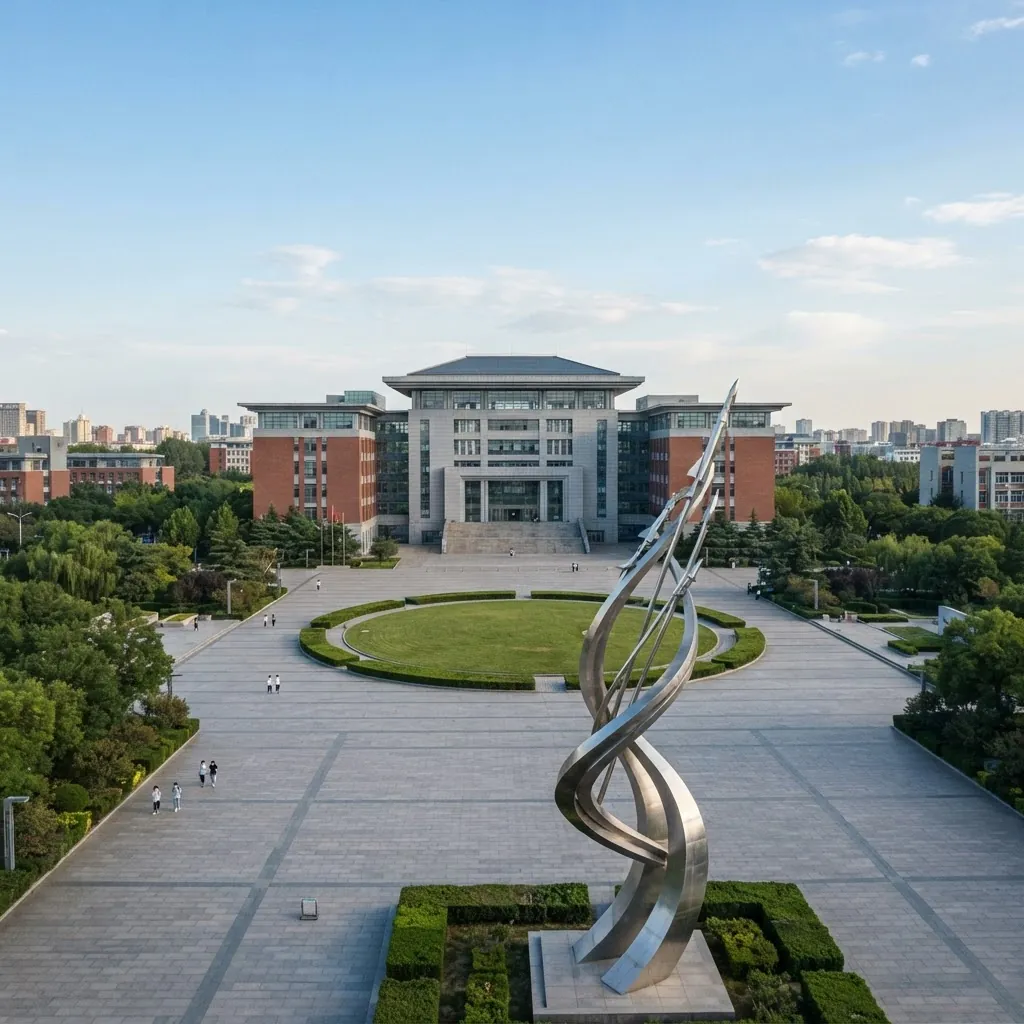
The Huaxiang campus in Fengtai hosts most degree teaching, while Hongmiao in Chaoyang sits near the CBD.
On-campus residences for international students with single and double rooms, laundry and shared kitchens.
A library specialising in economics, finance and management literature with major Chinese and international databases.
Stadium, running track, indoor gymnasium, basketball and tennis courts open to international students.
Case, accounting, trade simulation and entrepreneurship competitions run throughout the academic year.
Both campuses sit on Beijing subway lines, giving easy access to internships, museums and the city centre.
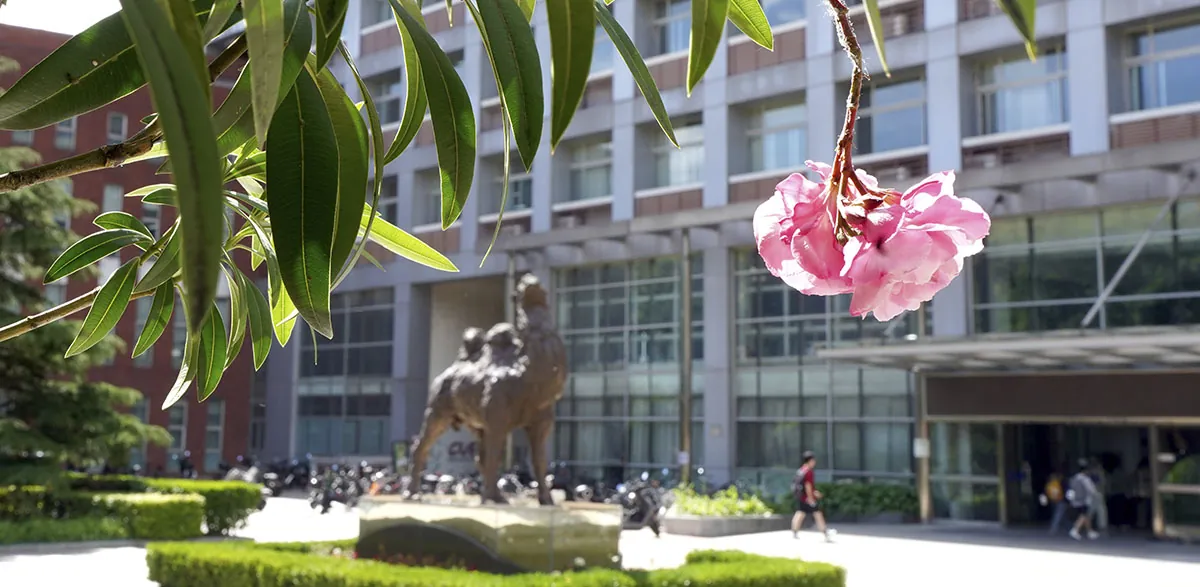
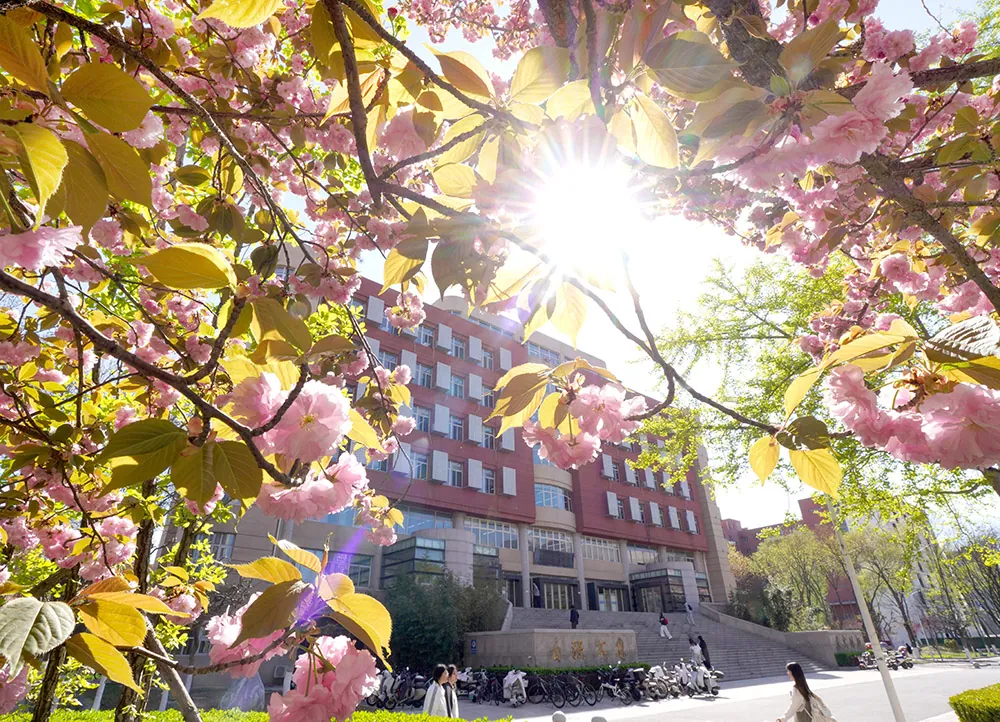
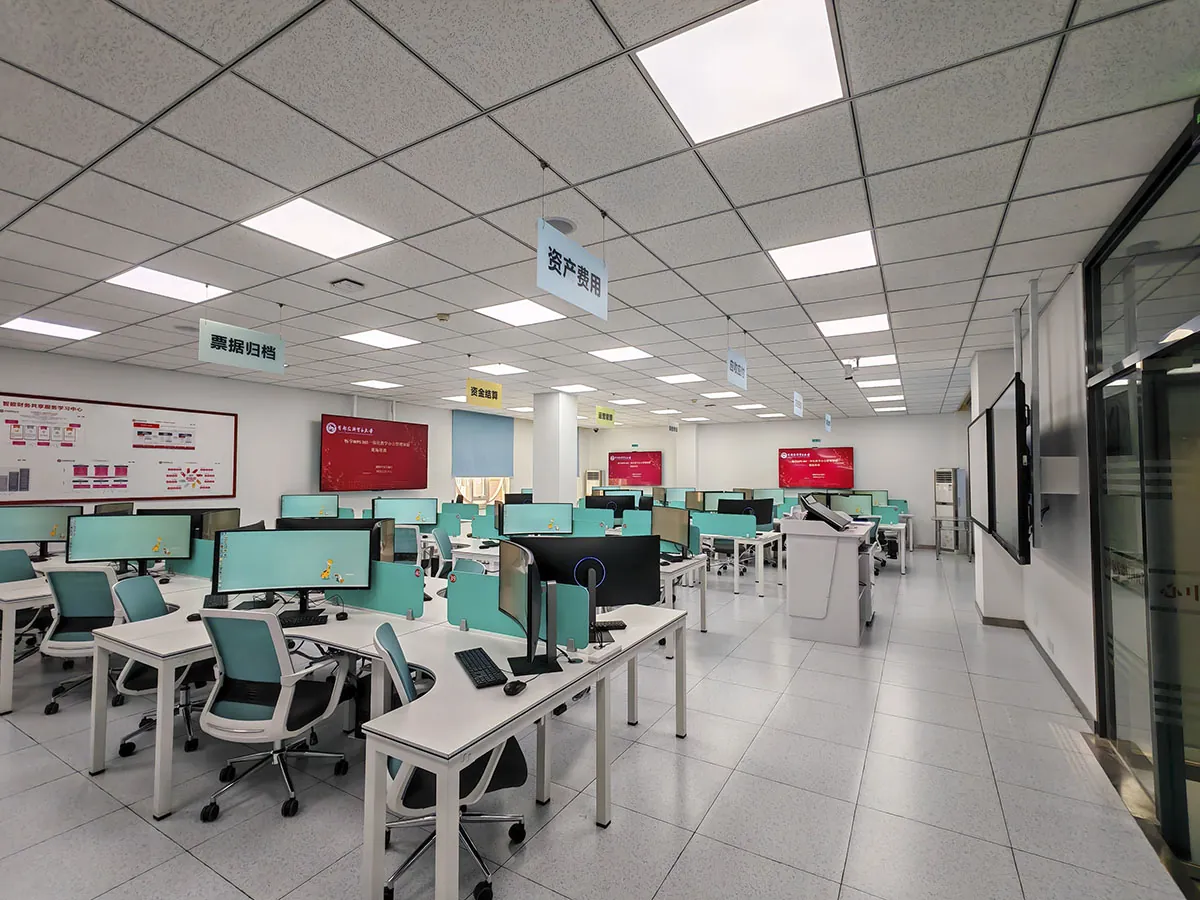
A visual tour of Capital University of Economics and Business.



Research capacity and innovation ecosystem at Capital University of Economics and Business.
Research centres on Beijing’s urban economy and regional development that inform municipal policymaking.
A nationally recognised base for labour economics, employment and population research in urban China.
Applied economics is a Beijing municipal key discipline covering finance, trade, taxation and industrial economics.
Statistics research applying econometrics and big data analytics to Chinese enterprise and household datasets.
Accounting and management research on corporate governance, audit quality and enterprise performance in China.
Joint programs and research links with partner business schools in Europe, Asia and Russia.
Where a degree from Capital University of Economics and Business can take you after graduation.
Graduates enter banks, securities firms, insurers and fintech companies concentrated in Beijing.
Accounting, audit and advisory firms recruit steadily from CUEB’s business and accounting programs.
International economics and trade graduates work in import-export, logistics and multinational operations roles.
Public administration and statistics graduates join government bodies, research institutes and state enterprises.
Bachelor’s graduates continue to master’s study at CUEB or other Chinese and overseas business schools.
A large alumni base across the capital’s financial, accounting and municipal institutions supports job referrals.
How Capital University of Economics and Business helps international students settle in and succeed.
Help reserving an on-campus dormitory room or nearby housing before you arrive in Beijing.
Guided assistance converting your X1 visa into a residence permit within 30 days of arrival.
Orientation covers registration, campus systems, banking, safety and daily life in Beijing.
School of International Education advisors support course selection, credit planning and thesis supervision.
Long-term Chinese language training and HSK preparation courses that feed into degree admission.
Campus clinic access, compulsory insurance enrolment and help with referrals to Beijing hospitals.
Campus security and international office contacts available for urgent situations.
Support with JW202 forms, visa renewals, exit-entry procedures and travel documentation.
International student association, cultural festivals and buddy activities with Chinese classmates.
Key dates and milestones for applying to Capital University of Economics and Business.
The CUEB School of International Education online application system opens for the September intake.
Undergraduate applicants register for and complete the China Scholastic Competency Assessment.
Submit your application, CSCA transcript and language certificate to be considered for scholarship awards.
Final date for self-funded applicants to complete their application and upload all documents.
Schools review applications and successful candidates receive Admission Notices and scholarship decisions.
CUEB sends your Admission Notice and JW202 form so you can begin your visa application.
Apply for your X1 student visa at the Chinese embassy or consulate in your home country.
Arrive in Beijing, move into your dormitory, register, complete the medical check—then classes begin.
Answers to the questions international students ask most about Capital University of Economics and Business.
Compare Beijing's leading universities to find your best match.





Get a free academic assessment and our admissions team will confirm your eligibility, shortlist the best programs for your profile and guide you through every step of your application to Capital University of Economics and Business.