China’s 2nd Ranked Medical University
Placed 2nd nationally on the 2026 ShanghaiRanking of Chinese medical universities, behind only Peking Union.

Beijing’s medical university — training clinicians in the capital’s hospitals since 1960
Founded in 1960 as the Beijing Second Medical College, Capital Medical University (CCMU) is Beijing’s flagship medical university, jointly built by the Beijing Municipal People’s Government, the National Health Commission and the Ministry of Education. It is a Double First Class construction university and ranks 2nd nationally among Chinese medical universities and 37th overall on the 2026 ShanghaiRanking, holding eight national key disciplines. Its defining advantage is clinical scale: CCMU teaches through 22 affiliated hospitals across Beijing — including Xuanwu Hospital, Beijing Tiantan Hospital, Beijing Anzhen Hospital and Beijing Children’s Hospital — which together handle tens of millions of patient visits a year, and its neurosurgery school at Tiantan is the largest neurosurgical clinical, research and teaching base in Asia. The International School, established in 2005, runs a six-year English-taught Clinical Medicine (MBBS) degree preceded by a three-month foundation course, alongside English master’s and doctoral research tracks in basic medicine, public health and nursing, hosting a community of over 650 international students in the heart of Beijing’s Fengtai District.
Key reasons international students choose Capital Medical University for their studies in China.
Placed 2nd nationally on the 2026 ShanghaiRanking of Chinese medical universities, behind only Peking Union.
Clinical rotations across 22 Beijing teaching hospitals give unmatched patient volume and case variety.
Beijing Tiantan Hospital hosts the largest neurosurgical clinical, research and teaching centre in Asia.
A full English-taught Clinical Medicine degree with a preparatory foundation course — no Chinese needed at entry.
National key disciplines spanning neurosurgery, neurology, cardiology, otolaryngology and public health.
Municipal affiliation embeds students in Beijing’s public health system and national medical policy institutions.
National designations and world rankings that signal academic strength and prestige.
Explore the degree programs and academic strengths available to international students at Capital Medical University.
What you need to apply to Capital Medical University as an international student.
Transparent tuition, living costs and scholarship options for international students.
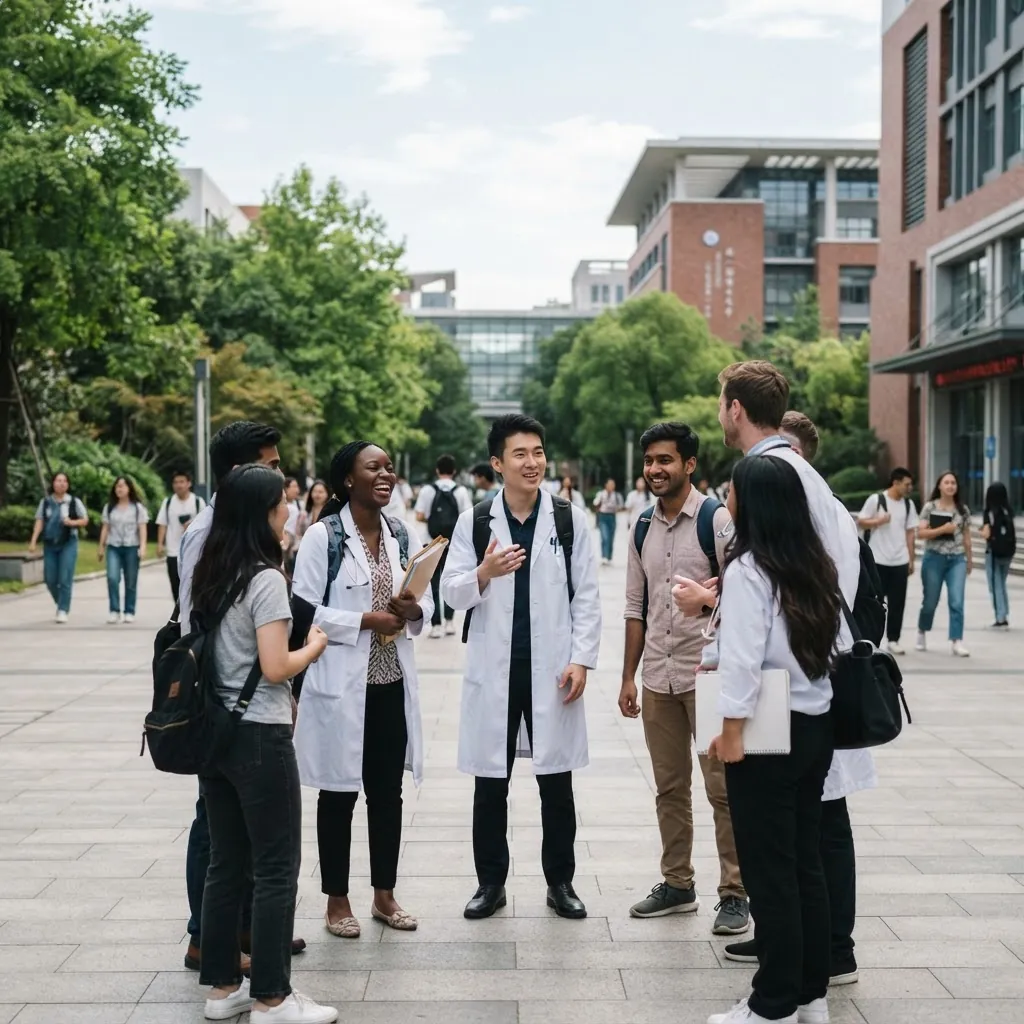
What daily student life looks like at Capital Medical University.
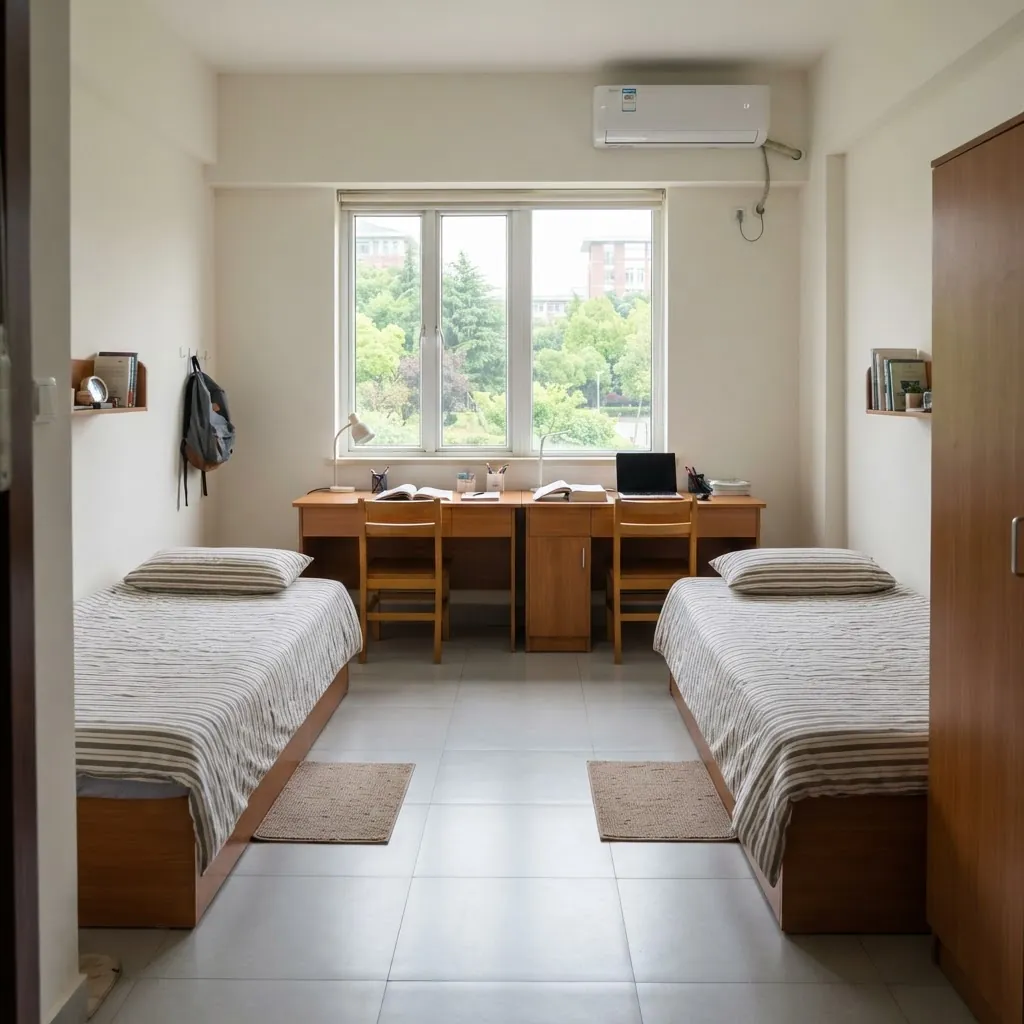
Dedicated international student apartments on the Fengtai campus with double and triple room options.
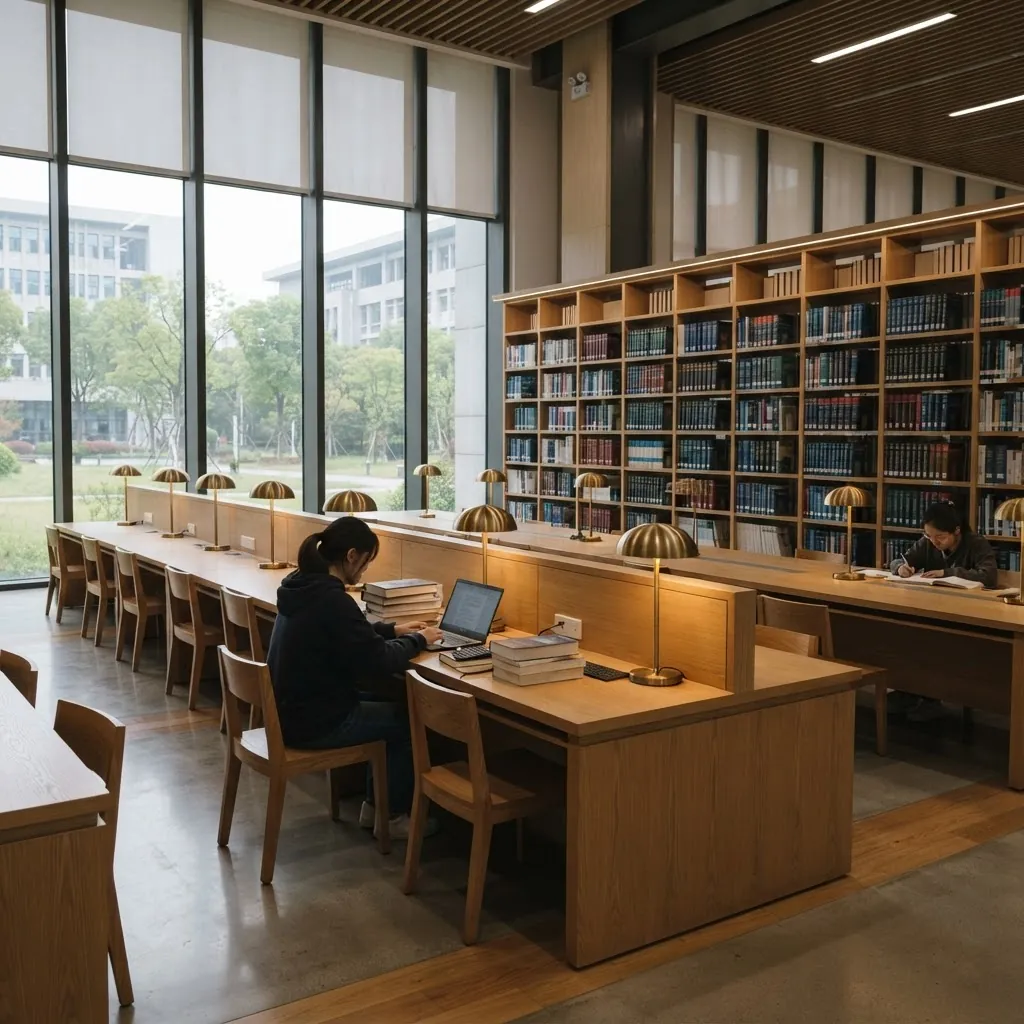
A specialised medical library with major clinical databases including PubMed, UpToDate and Chinese medical journals.
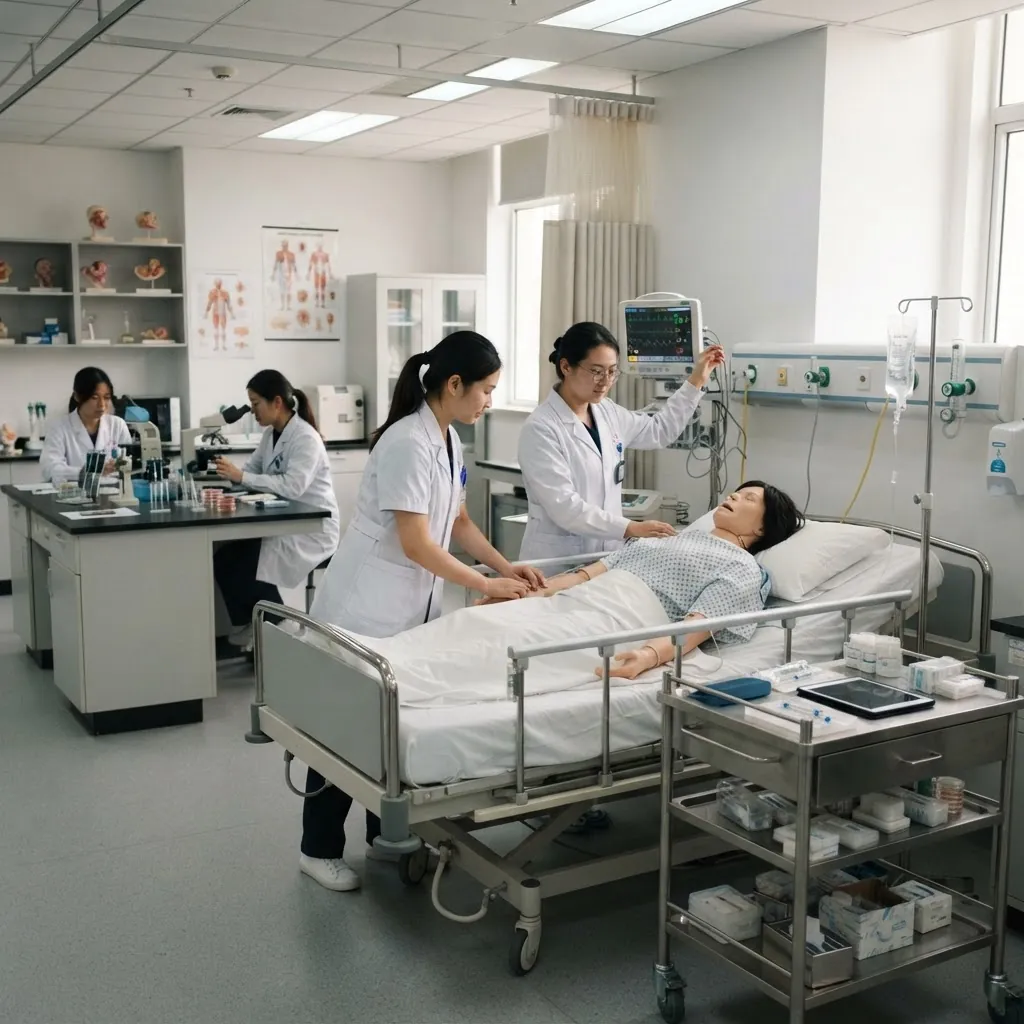
Simulation wards, anatomy laboratories and standardised-patient training rooms for hands-on practice before rotations.
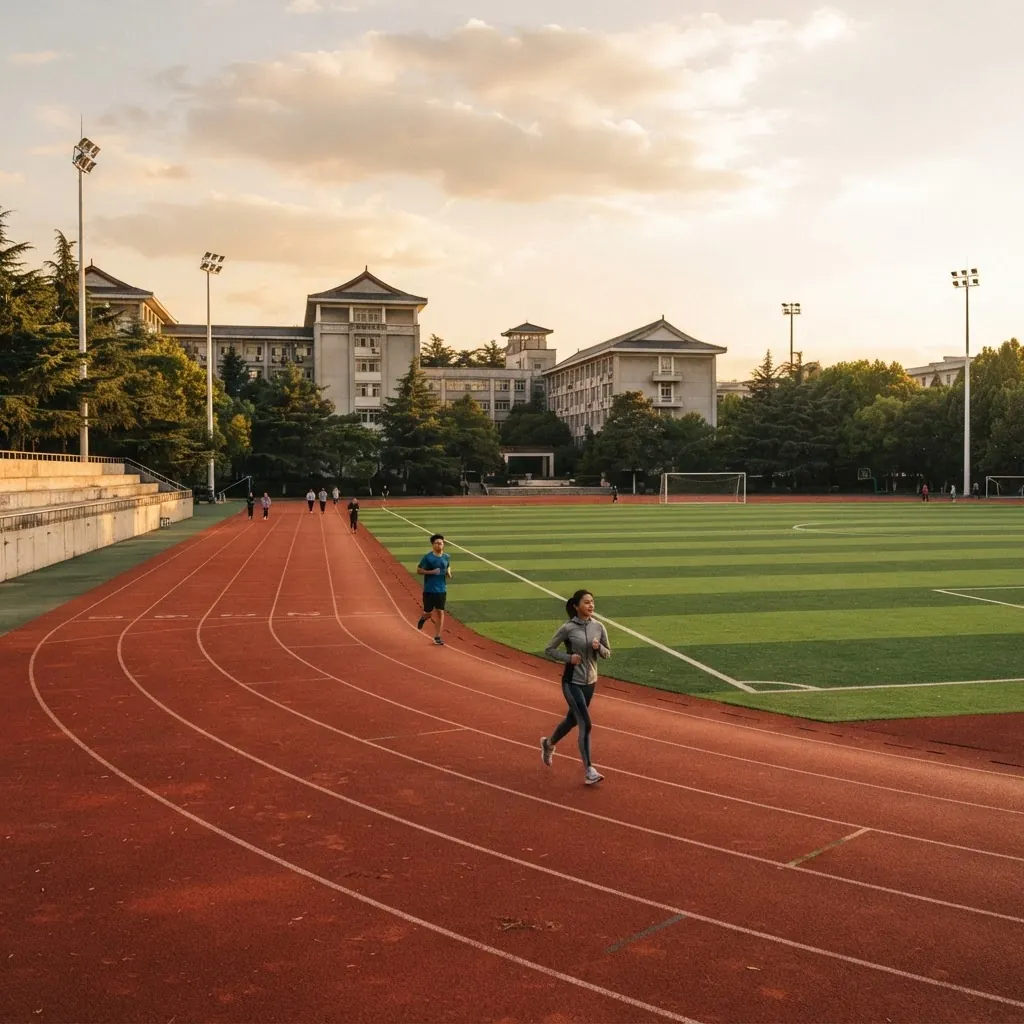
Gymnasium, running track, basketball and badminton courts used by student teams and medical societies.
Community health screening, first-aid teaching and public health campaigns organised across Beijing districts.
The campus sits on Beijing’s subway network, linking students to affiliated hospitals and the city centre.
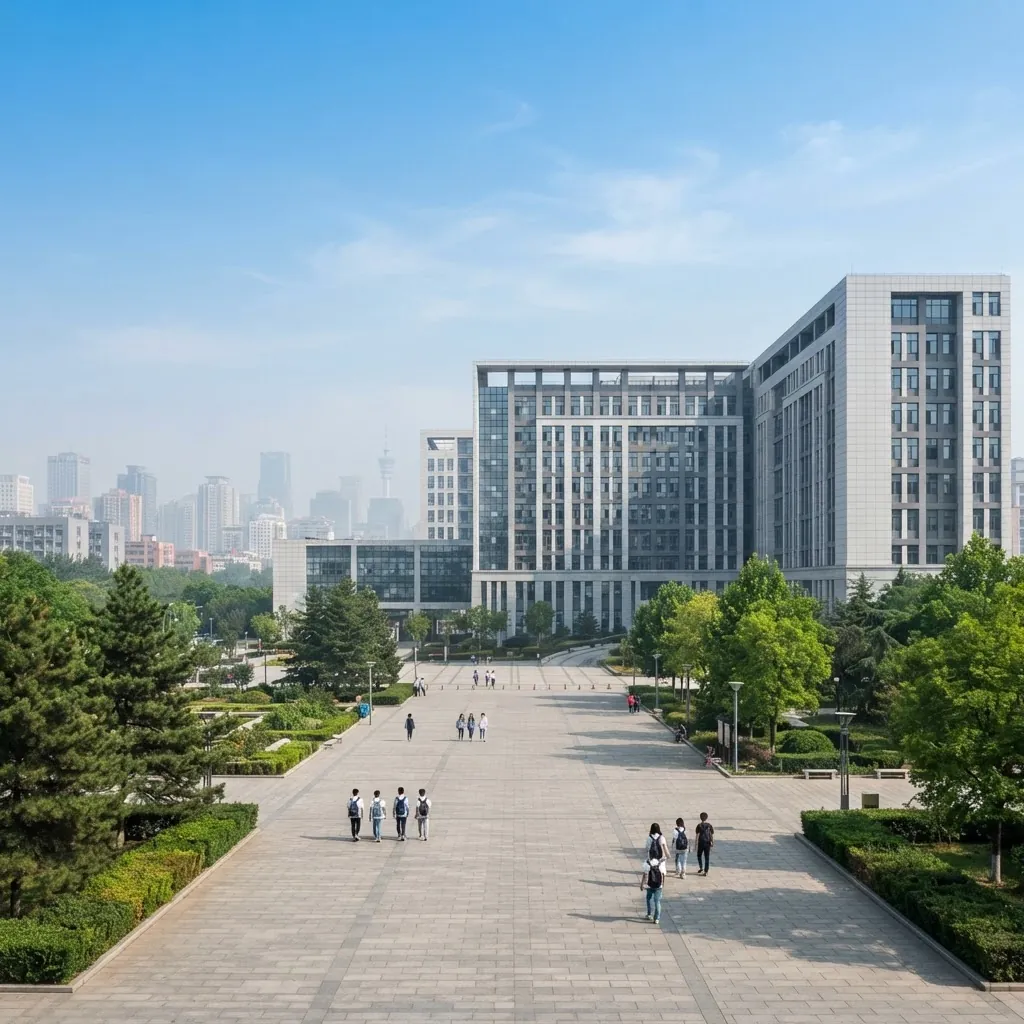
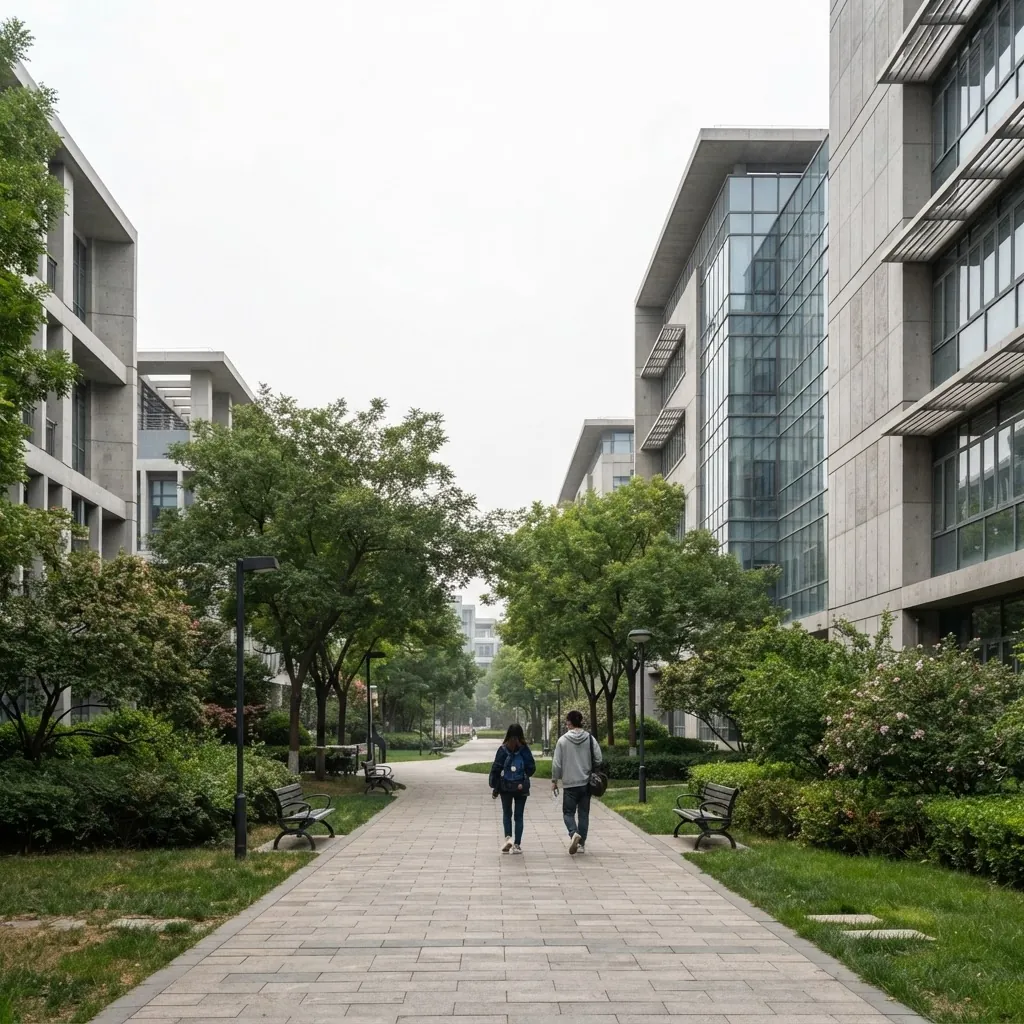
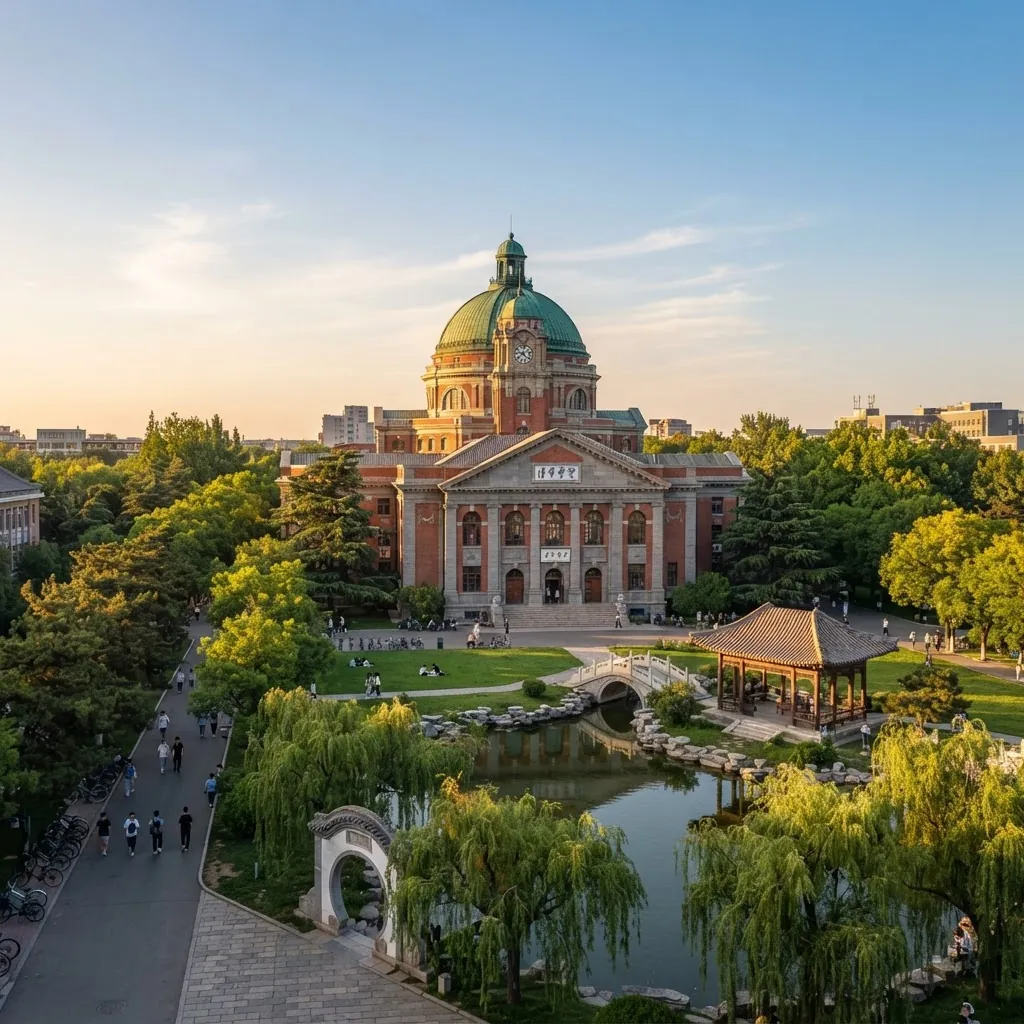
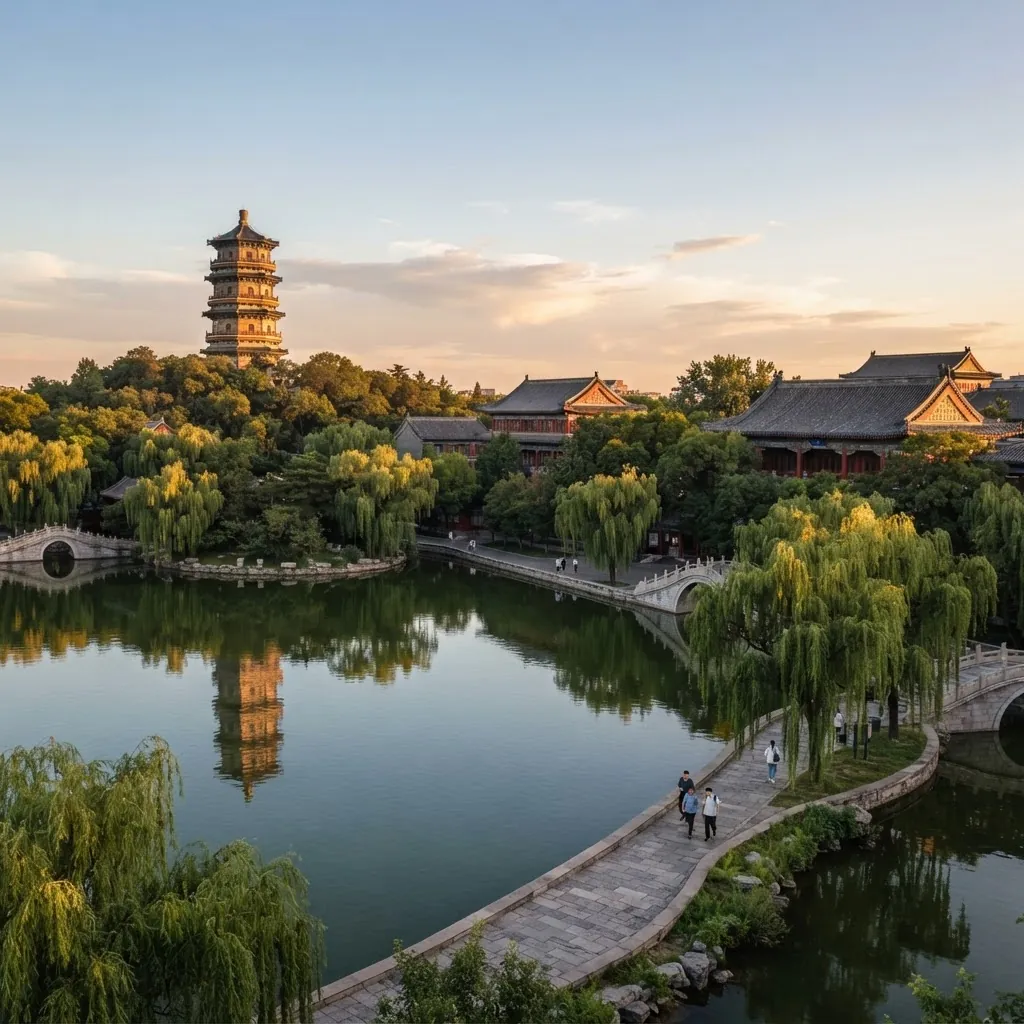
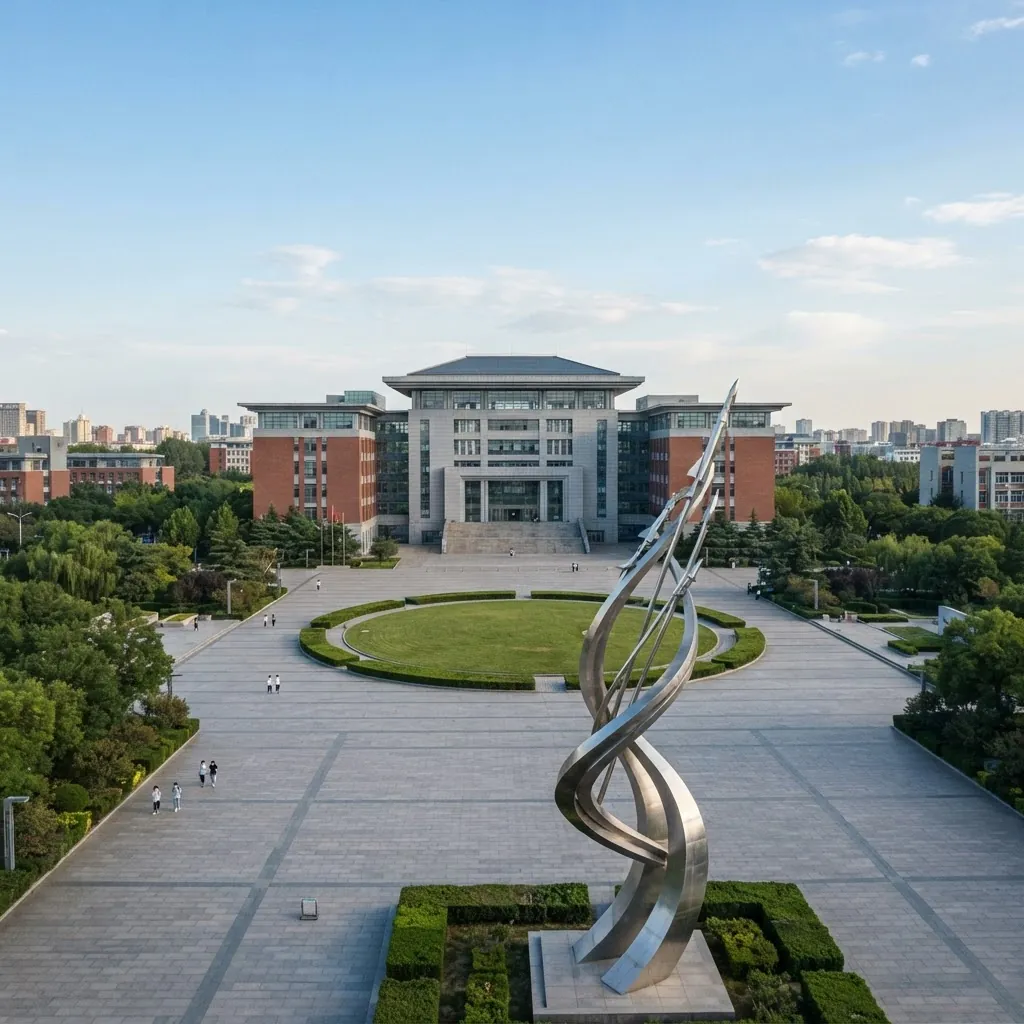
A visual tour of Capital Medical University.
Research capacity and innovation ecosystem at Capital Medical University.
Beijing Tiantan Hospital drives national research in brain tumours, cerebrovascular disease and neuro-imaging.
Beijing Anzhen Hospital is a national centre for cardiac surgery, interventional cardiology and heart disease research.
Xuanwu Hospital leads research on stroke, dementia and ageing through national clinical research centres.
Beijing Children’s Hospital anchors national research on childhood cancers, rare diseases and paediatric care.
Capital-based epidemiology, infectious disease control and health policy research supporting municipal health planning.
Joint clinical research and exchange programs with medical schools and teaching hospitals across Asia, Europe and North America.
Where a degree from Capital Medical University can take you after graduation.
MBBS graduates return home to sit national licensing examinations and enter hospital residency training.
Graduates progress to master’s, doctoral and specialty training at CCMU, in China and abroad.
Research posts in national clinical research centres, hospital laboratories and biomedical institutes.
Careers in clinical trials, medical affairs, regulatory work and medical technology companies in Beijing.
Positions in health ministries, disease control centres and international public health organisations.
Alumni practise across Asia, Africa and Europe, with senior clinicians throughout Beijing’s hospital network.
How Capital Medical University helps international students settle in and succeed.
Help reserving an International School apartment room or nearby housing before you arrive in Beijing.
Guided assistance converting your X1 visa into a residence permit within 30 days of arrival.
Orientation covers registration, hospital placement rules, safety, banking and life in Beijing.
International School advisors support course planning, foundation-course progress and clinical rotation scheduling.
Mandarin and medical Chinese courses prepare English-track students for patient communication in clinical years.
Direct access to affiliated hospitals, compulsory insurance enrolment and help with specialist referrals.
Round-the-clock campus security and International School contacts for urgent situations.
Support with JW202 forms, visa renewals, exit-entry procedures and travel documentation.
International student associations, national societies and medical interest groups across the cohort.
Key dates and milestones for applying to Capital Medical University.
The CCMU International School online application system opens for the September intake.
MBBS applicants register for and complete the CSCA in Mathematics plus Physics or Chemistry.
Submit your application and supporting documents to be considered for scholarship awards.
Final date for self-funded MBBS applicants to complete their application and upload documents.
The International School reviews applications, holds interviews and issues Admission Notices.
CCMU sends your Admission Notice and JW202 form so you can begin your visa application.
Apply for your X1 student visa at the Chinese embassy or consulate in your home country.
Arrive in Beijing, move in, register, complete the medical check—then begin the three-month foundation course.
Answers to the questions international students ask most about Capital Medical University.
Compare Beijing's leading universities to find your best match.


Get a free academic assessment and our admissions team will confirm your eligibility, shortlist the best programs for your profile and guide you through every step of your application to Capital Medical University.