China’s National Art Academy
Study within a Double First Class academy founded in 1928 and dedicated exclusively to advanced art education.
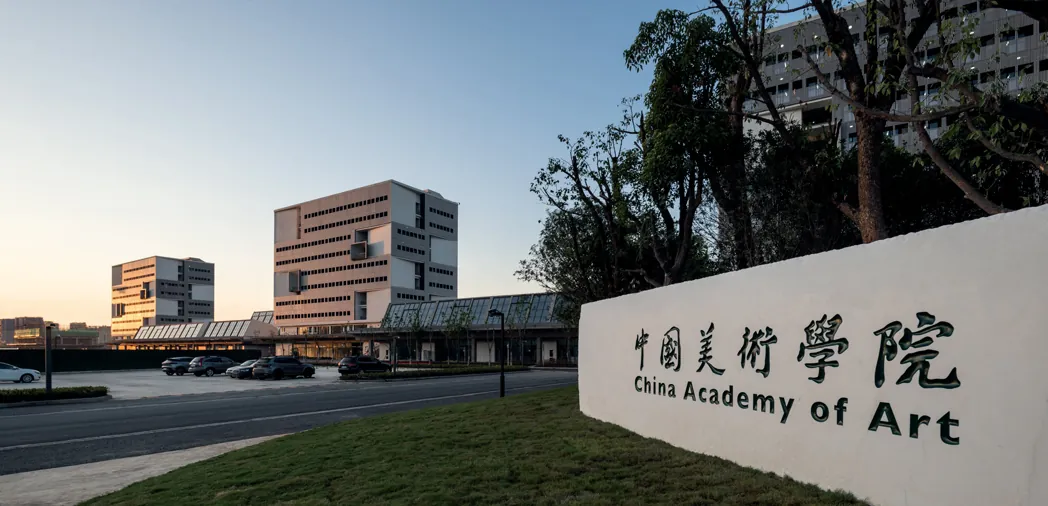

Chinese artistic traditions, contemporary practice and creative technology in one national academy
Founded in Hangzhou in 1928, China Academy of Art (CAA) was China’s first comprehensive national institution of higher art education. The academy is included in China’s Double First Class initiative and brings Chinese painting, calligraphy, fine arts, design, architecture, film, animation and intermedia practice into one specialist university. Its four Hangzhou campuses—Nanshan, Xiangshan, Liangzhu and Xianghu—connect students with West Lake culture, museums, traditional craft communities and one of China’s most active technology economies, while the Zhangjiang campus extends its presence to Shanghai. For international students, CAA offers direct engagement with Chinese visual culture alongside contemporary studio practice, cross-disciplinary experimentation and a worldwide partnership network. Most degree programs are taught in Chinese, with a limited English-taught doctoral route available in 2026.
Key reasons international students choose China Academy of Art for their studies in China.
Study within a Double First Class academy founded in 1928 and dedicated exclusively to advanced art education.
Learn Chinese painting and calligraphy where modern higher education in these traditions was institutionally established.
Intermedia, digital art and virtual technology laboratories connect studio practice with fast-changing creative technologies.
Joint programs and more than 100 global partnerships bring cross-cultural critique, exchange and collaborative design opportunities.
Specialist campuses in Hangzhou and Shanghai combine heritage settings, contemporary studios and discipline-focused learning environments.
Hangzhou’s museums, design firms, technology companies and craft traditions extend learning beyond the academy’s studios.
National designations and world rankings that signal academic strength and prestige.
Explore the degree programs and academic strengths available to international students at China Academy of Art.
What you need to apply to China Academy of Art as an international student.
Transparent tuition, living costs and scholarship options for international students.
What daily student life looks like at China Academy of Art.
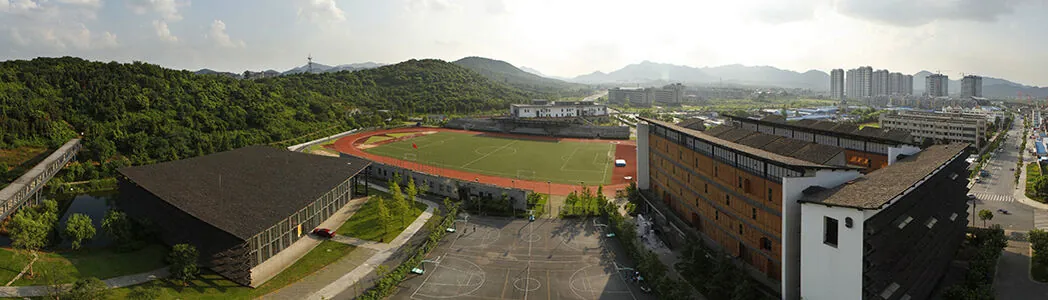
Pritzker Prize-winning architect Wang Shu designed a landscape of courtyards, tiled roofs and studios against Xiangshan hill.
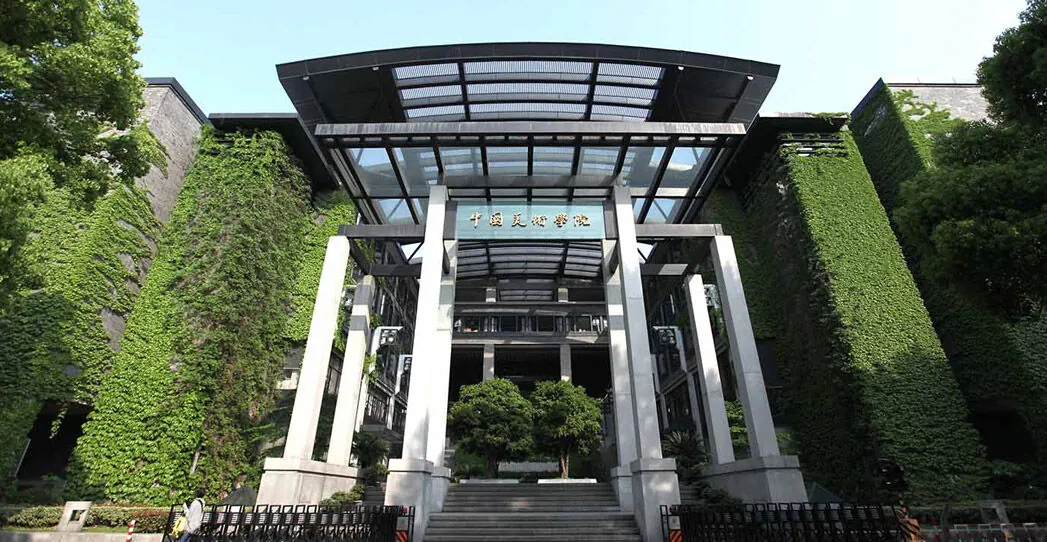
The historic Nanshan campus places studios and exhibitions beside West Lake and Hangzhou’s central cultural institutions.
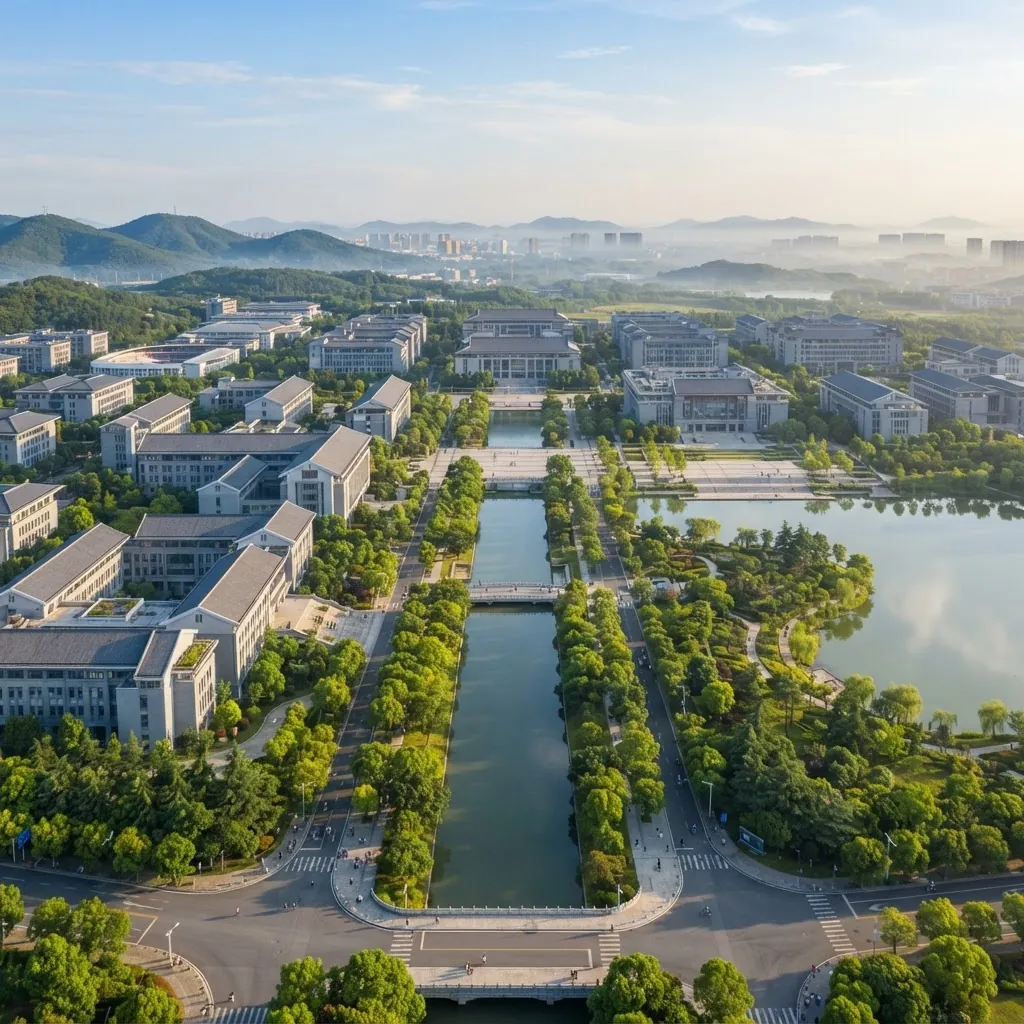
A purpose-built campus supports innovative design, craft, industry collaboration and cross-disciplinary project development.
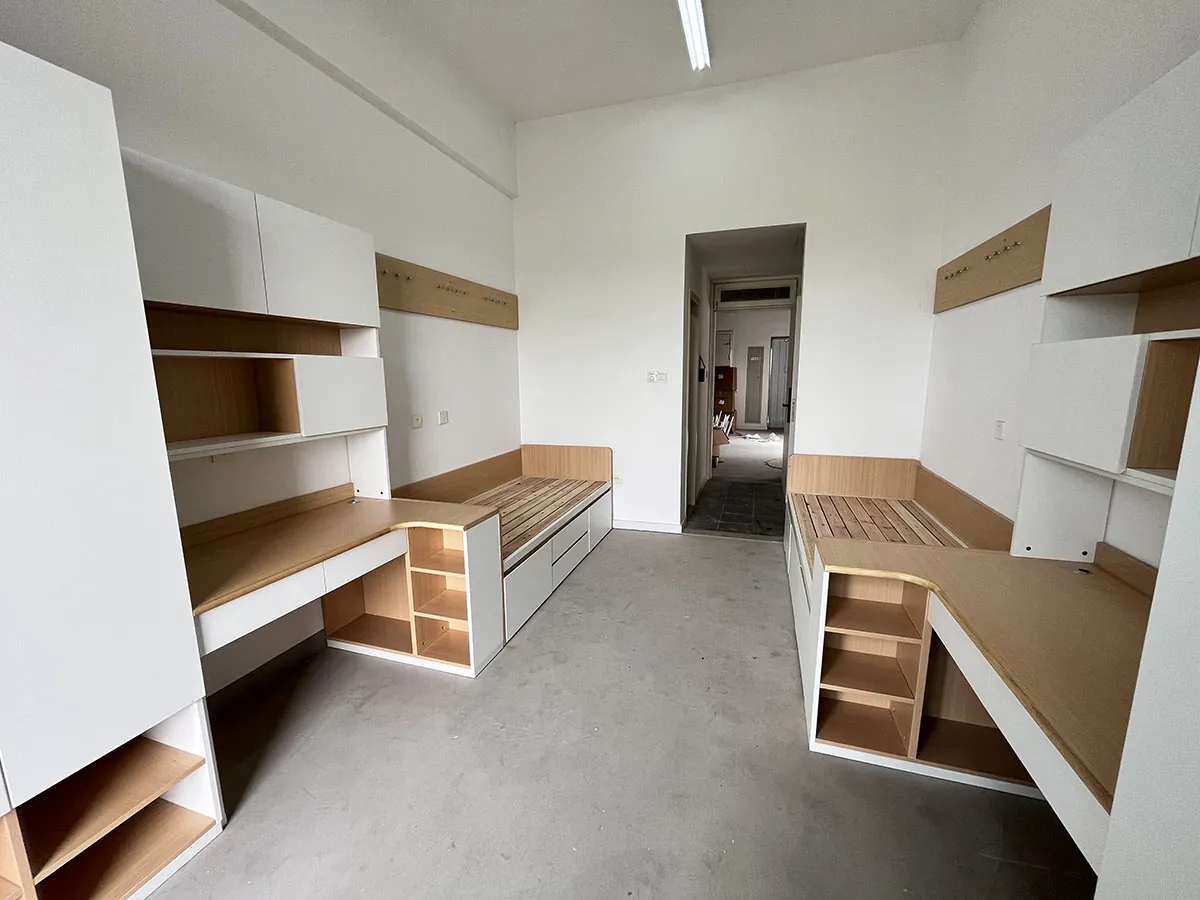
Dormitory arrangements are coordinated through the International College and confirmed before September registration.
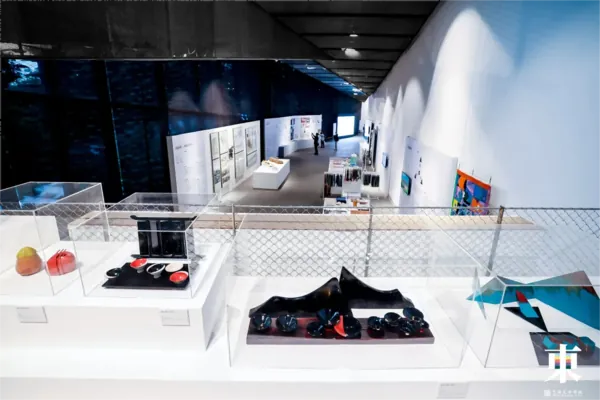
Degree shows, museum exhibitions, open studios and visiting-artist critiques make public presentation part of everyday learning.
Painting, calligraphy, film, animation, architecture and design students share workshops, lectures and interdisciplinary creative events.
A visual tour of China Academy of Art.

Research capacity and innovation ecosystem at China Academy of Art.
Research joins classical materials, connoisseurship and visual philosophy with contemporary practice in China’s signature art traditions.
The School of Intermedia Art combines installation, moving image, sound, computation and social inquiry across experimental practices.
A joint laboratory with Zhejiang Television and Tencent explores virtual production, digital art and emerging media workflows.
Research addresses Chinese spatial traditions, urban design, landscape, construction and the conservation of historic buildings.
International and industry partnerships connect product, visual, fashion and service design with changing social needs.
Scholars study Chinese visual culture, global modernism, curatorial practice and the intellectual foundations of contemporary art.
Where a degree from China Academy of Art can take you after graduation.
Graduates develop professional portfolios for careers as artists, calligraphers, illustrators, photographers and interdisciplinary creators.
Art history, theory and studio training support roles in museums, galleries, archives, biennials and public cultural programs.
Design graduates enter branding, product, fashion, interaction, animation, film and digital-content teams across creative industries.
Architecture pathways lead toward professional practice in buildings, landscapes, urban environments and heritage conservation.
Research-led training prepares graduates for advanced degrees, arts education and specialist scholarship in China or abroad.
Hangzhou and Shanghai campuses connect students with studios, technology companies, museums and design organizations across the region.
How China Academy of Art helps international students settle in and succeed.
The International College publishes room arrangements and registration instructions before the September arrival period.
Staff guide students from X1 visa entry through local registration and residence-permit procedures.
New students receive guidance on registration, studios, campus services, insurance and daily life in Hangzhou.
Program tutors support course planning, studio expectations, research direction and degree-progress requirements.
Dedicated Chinese courses help students prepare for degree study and strengthen communication in critiques and daily life.
Annual comprehensive insurance is included in degree tuition, with guidance on examinations and local medical services.
Campus security and International College contacts help international students respond to urgent situations.
Support covers admission documents, X1 visa preparation, residence procedures and required status updates.
Cross-cultural exhibitions, workshops and campus events connect overseas students with classmates across creative disciplines.
Key dates and milestones for applying to China Academy of Art.
Confirm the annual program catalog and assemble transcripts, language evidence, study plan and portfolio materials.
Submit Chinese-taught master’s and Chinese Government Scholarship Category B applications through the international student system.
Bachelor’s applicants finalize professional materials and monitor the application system for review or interview notices.
Complete the online application for a 2026 Chinese-taught undergraduate program and upload the fee receipt.
Chinese-taught doctoral applicants submit research materials, recommendations, portfolio and language evidence.
Final date for the 2026 English-taught doctoral route in Art Studies, Design Studies and professional disciplines.
CAA conducts online assessments and issues admission outcomes; documents become available in mid-to-late July.
Apply for the X1 visa, travel to Hangzhou, verify original documents and complete university registration.
Answers to the questions international students ask most about China Academy of Art.
Compare Hangzhou's leading universities to find your best match.



Get a free academic assessment and our admissions team will confirm your eligibility, shortlist the best programs for your profile and guide you through every step of your application to China Academy of Art.